Forest Vocabulary in English for Kids
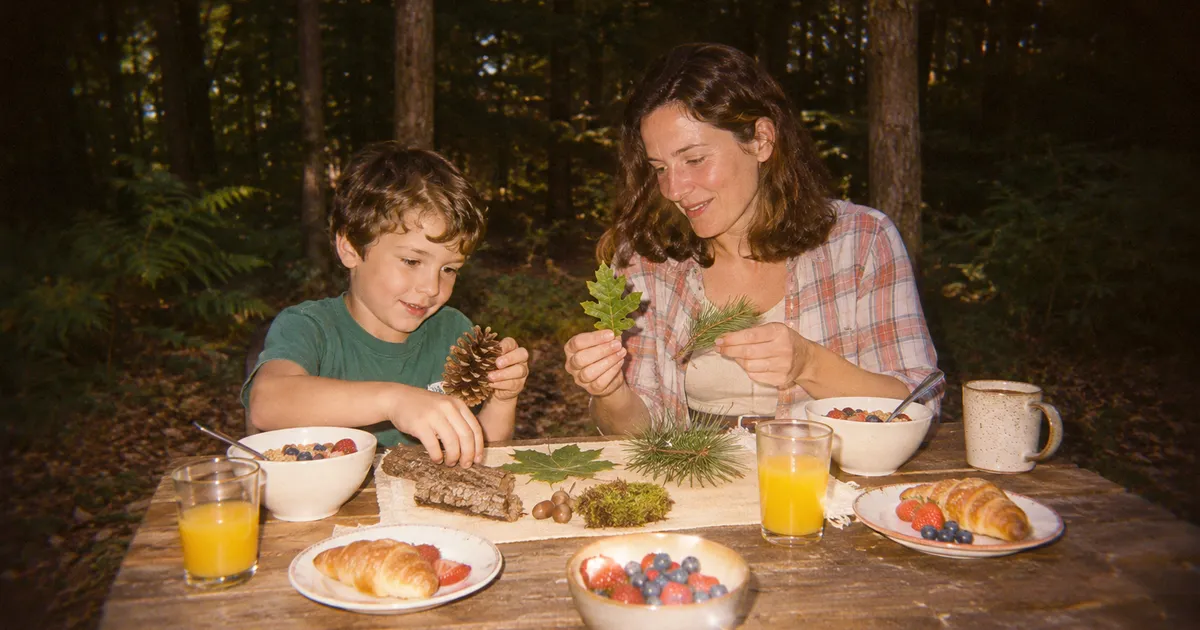
Forest Vocabulary in English for Kids: Words and Activities begins with 30 words children can see, hear, describe, and use in play. Start with nouns such as tree, leaf, and bird, then add actions and phrases. Link each word to a picture, movement, sound, or object. A multilingual child may know the concept in another language before its English name. Use that knowledge to practise a small set in repeated situations.
Core Forest Words and Phrases
Forest Vocabulary in English for Kids: Words and Activities groups vocabulary by meaning. Choose six to eight words per session. Combine nouns, describing words, and verbs so your child builds sentences rather than naming objects alone.
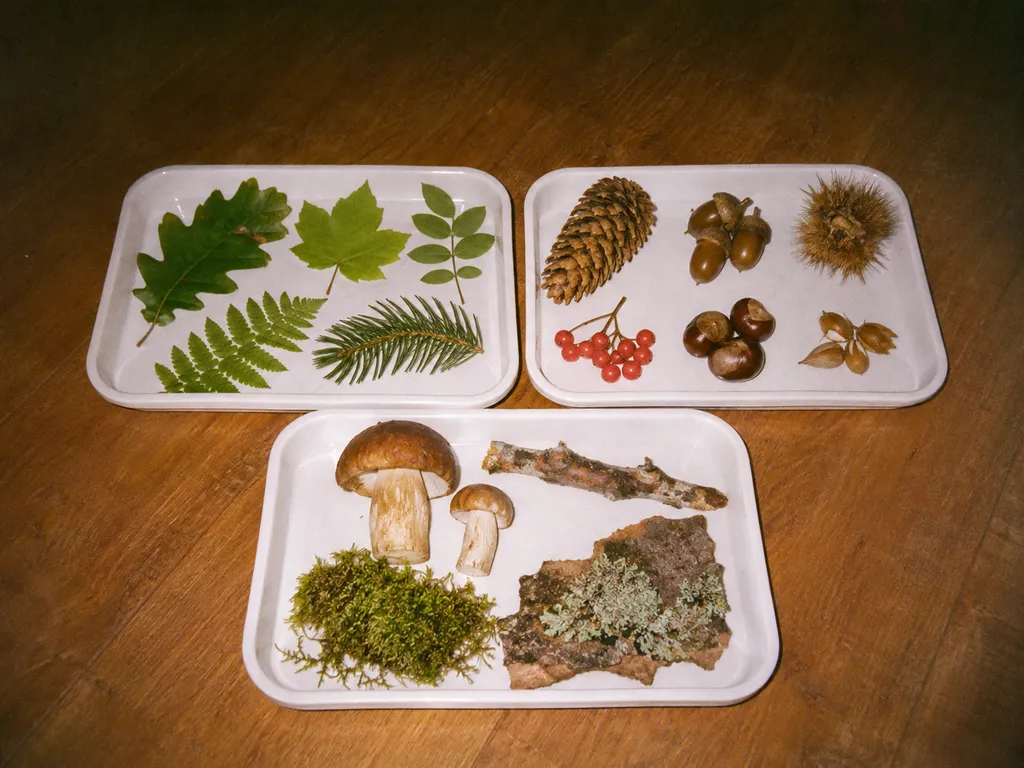
Begin with these sets:
Expand single words into phrases: a tall tree, a rough trunk, a quiet path, and a squirrel climbs. Ask: What can you see?, Where is the fox?, or What is growing near the stream?
Using the Words in Context
When using Forest Vocabulary in English for Kids: Words and Activities, place each word in a scene. Show a forest picture and say, “The owl is in the tree,” or “The rabbit is hiding behind a rock.” Your child can point before speaking, reducing pressure while focusing on meaning.
Build sentences in steps. Start with bird, expand it to a small bird, then say, A small bird is sitting on a branch. Ask your child to change the animal, place, or action. The frame might become A squirrel is sitting on a rock.
Multilingual children may compare words across languages. Allow a brief comparison, then return to a complete English phrase. The comparison confirms meaning; the English sentence practises word order and grammar.
Use sound before spelling. Say squirrel, clap its two beats, and have your child repeat it before showing the written word.
Activities for Different Ages
The task determines how forest vocabulary serves each age. Younger children need movement, pictures, and short turns. Older children can sort words, explain choices, and create connected descriptions.
For school-age kids, try “Forest detective.” Show six pictures and give a clue: “Find something with roots,” or “Find an animal that can fly.” After your child points, request a sentence: The owl can fly. Change the clues once answers become quick.
Prepare a ten-minute forest word session
- Choose six words from one or two related groups.
- Find a clear picture or object for each word.
- Say each word and ask your child to point.
- Add one movement or sound to each action or animal.
- Practise two complete sentence frames.
- Finish with one quick guessing game.
Simple Practice at Home
Forest Vocabulary in English for Kids: Words and Activities works through brief, varied practice. Reuse the same words across days: picture matching, a movement game, then a spoken description. Repetition should feel familiar, not mechanical.
A park, garden, or tree-lined street can support practice; a forest is unnecessary. Ask, Can you see a branch? or Is the ground soft or hard? If local plants and animals differ from the vocabulary, add their English names to match your child’s surroundings.
Indoors, draw a forest together. Take turns adding and describing one item: I am drawing a stream next to the rocks. Reuse the picture for questions, memory games, or a short story.
Build a Forest Scene
Choose five nouns, two action words, and two describing words from the lists. Your child draws the scene and says three sentences about it. For an extra challenge, cover the picture and ask your child to recall its details.
Common Mistakes and How to Correct Them
Children may confuse wood, woods, and forest. Wood can mean material from a tree. The woods and a forest name places with many trees, though usage varies by context. Teach each meaning through a sentence, not a definition alone.
Prepositions also cause difficulty. A bird may be in a tree, a nest on a branch, and a rabbit behind a rock or under a bush. Show each position with toys or pictures. Then have your child move an object and describe its new place.
Correct speech without stopping play. If your child says, “The fox hide,” answer, “Yes, the fox hides behind the tree.” The response models the correct form and continues the exchange. Request repetition only when that word or sentence is the turn’s focus.
Forest vocabulary myths and facts
Myth: A child must learn the whole word list before making sentences.
Fact: Six practised words can produce phrases, questions, and descriptions.
Myth: Translation prevents multilingual children from thinking in English.
Fact: A brief comparison confirms meaning; repeated English phrases build direct use.
- Choose five forest picture cards and ask your child to name each item.
- Model one correct sentence, then invite your child to repeat it clearly.
- Sort six words into animals, plants, and places to prevent confusion.
- Read a forest picture book and point to each named object together.
- Correct errors gently by restating the word, then asking for another example.
When a word has several meanings or pronunciations, Cambridge Dictionary is a useful check before turning it into child-friendly examples.
Frequently Asked Questions
How Many Forest Words Should My Child Learn at One Time?
For school-age kids, begin with six to eight related words. Choose words that can be shown or acted out, such as tree, leaf, owl, climb, and hide. Add items when your child recognises the first set and uses some in short phrases. Older learners may handle a larger set when each word has a purpose.
Can We Practise Forest Vocabulary Without Visiting a Forest?
Yes. Forest Vocabulary in English for Kids: Words and Activities can be practised with picture books, drawings, toy animals, videos, or park views. Connect each word to an image, action, or sentence. A child can draw a path, place a paper fox behind a tree, and describe the scene without visiting a particular landscape.
Should My Child Learn Spelling and Pronunciation Together?
Start with meaning and sound, especially for younger children. Let your child hear, identify, and say a word before studying its spelling. Then highlight letter patterns in tree, green, and stream. Older children can record the word, a drawing, a model sentence, and one memory cue.
What If My Child Answers in Another Language?
Accept the answer as evidence of understanding, then supply the English phrase. Say, “Yes, that is a branch. The bird is on the branch.” Invite your child to repeat the sentence or answer a follow-up question. This respects existing language knowledge while giving English a defined role.
Try these three steps this week:
- Choose six forest words and practise them for ten minutes.
- Use each word in one short phrase or sentence.
- Repeat the set on three different days, then add two new words.
A short one-to-one lesson can show what level and pace fit your child — book a trial English lesson.
Stay updated on our latest tips and resources by following us on Instagram LearnLink.